Nature in Buller: Where New Zealand Still Feels Wild
Nature in Buller
Nature in Buller feels close. It’s not something set apart or carefully framed. It surrounds you, shifts with the weather, and changes from one stretch of road to the next. Forest presses in along the roadside, rivers move with force through the valleys, and the coastline stays exposed to whatever the day brings.
Spending time in nature here isn’t about seeking out one specific place. It’s about noticing how quickly the landscape changes, and how easily you can step into it, even with very little planning.
What You’ll Find in Buller
Buller holds a mix of environments that sit close together. Within a short distance, you can move from dense native forest to open coastline, from river valleys to elevated viewpoints looking out across the region.
Around Westport, nature is accessible in all directions. The coast offers wide, exposed spaces, while inland areas follow rivers and bush tracks. South toward Punakaiki, limestone formations and rainforest combine in a way that feels distinct to this part of the country. Head north toward Karamea and the landscape becomes more remote, with fewer interruptions and a stronger sense of distance. Inland, around Reefton, forested hills and historic routes create a quieter, more enclosed environment.
What stands out is how little separation there is between these environments. You don’t need to travel far to experience something completely different.
- Tauranga Bay seal colony
- Hector’s dolphins Native & coastal birdlife
- Penguins at Pāhautane Beach
- Powelliphanta snail
- Glowworm caves
- Paparoa National Park
- Ōparara Basin
- Lake Hanlon
- Native rainforest & limestone landscapes
- Dense podocarp & beech forests
- Nīkau palm forests
- Unique limestone formations
- Coastal cliffs on the edge of the Tasman Sea
- Hidden beaches & remote landscapes
- Rugged mountain & valley scenery
- Kahurangi National Park Limestone chasms & caves
- Moss-covered gorge landscapes
- Coastal forest ecosystems
- Wetlands & river valleys
- Kūkūwai Reserve & Wetlands Waterfalls
Native Forest and Bush
Much of Buller is covered in native forest, and this shapes the way the region feels. The bush is dense in places, with tall trees, thick undergrowth, and a canopy that filters the light rather than letting it flood in.
Tracks and roadside stops make it easy to step into these areas without needing to plan a long walk. Even short sections of forest can feel immersive, with birdsong carrying through and the sense of being enclosed by the landscape.
Around Reefton and inland areas, the forest often feels deeper and less interrupted. These are places where you can spend more time moving through the bush and noticing the detail, from moss-covered surfaces to the changing light throughout the day.
Coastline and Open Space
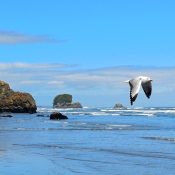
The coastline through Buller offers a different kind of natural experience. It’s more exposed, more changeable, and shaped constantly by wind and tide.
Near Punakaiki, the interaction between forest and sea is immediate. Limestone formations rise out of the ground, and tracks lead you through bush before opening out to wide coastal views. The Pancake Rocks are one of the more well-known features, but the surrounding coastline continues well beyond these points.
Closer to Westport, beaches stretch out with fewer interruptions. Driftwood, shifting sand, and the movement of the ocean create a sense of scale that feels different from more sheltered coastlines elsewhere.
Rivers and Waterways
Rivers run through much of Buller, connecting the different parts of the landscape. The Buller River / Kawatiri is the most prominent, but there are many smaller rivers and streams that move through the bush and valleys.
These waterways bring a constant sense of movement. Water levels change with rainfall, colours shift, and the sound of flowing water is rarely far away. Around Westport and inland toward Reefton, access to river edges is easy, allowing visitors to spend time alongside the water without needing to travel far.
Further north, near Karamea, rivers begin to feel more remote, often running through areas with fewer people and less development.
Limestone and Geological Features
Buller also holds unique geological features that add another layer to the natural environment. The limestone landscapes near Karamea, particularly in the Oparara Basin, create formations that feel quite different from the surrounding forest.
Large natural arches, cave systems, and rock formations have been shaped over long periods of time by water and weather. These features are accessible via short walks, allowing visitors to experience them without needing specialised equipment.
Around Punakaiki, limestone formations also meet the sea, creating coastal features that are constantly shaped by the ocean.
Who This Is For
Nature in Buller suits visitors who want to experience a landscape that feels real and unfiltered. It works for those who enjoy being outdoors, whether that’s through short walks, scenic stops, or simply spending time in one place.
You don’t need to be highly active to experience it. Much of what makes Buller special is accessible without long distances or difficult terrain. At the same time, those wanting to go further will find plenty of opportunity to do so.
Local Insight
Nature here is closely tied to the weather. Rain can change the colour and flow of rivers, bring out different tones in the forest, and alter how the coastline feels.
Rather than expecting consistent conditions, it’s worth allowing the environment to shape your experience. A day that feels different from what you planned can still offer something memorable, just in another way.
Taking the time to pause, rather than moving quickly from place to place, often reveals more of what the landscape has to offer.
Practical Information
Access to natural areas across Buller is generally easy, with many entry points located just off the main roads. Tracks are often well signposted, and short stops can be made without extensive planning.
Local information centres provide useful, up-to-date advice on conditions and access. In places like Westport, Punakaiki, Karamea, and Reefton, they are a helpful first stop, particularly if you are deciding where to go on the day.
Facilities vary depending on location. Main areas have parking and basic amenities, while more remote spots may have limited services. Being prepared with appropriate clothing and awareness of the weather will help ensure a comfortable visit.
Nearby Connections
Nature in Buller naturally connects with all other experiences in the region. Walking tracks lead through forest and along rivers, coastal areas link to scenic viewpoints and wildlife encounters, and inland routes open into quieter, more remote landscapes.
Spending time in nature often becomes the thread that ties a visit together. Whether you’re near Westport, exploring the coastline around Punakaiki, heading north toward Karamea, or inland near Reefton, it’s always close, and it shapes how you move through the region.