Wildlife in Buller: Encounters That Feel Real
Wildlife in Buller
Wildlife in Buller isn’t something set behind fences or built into a single location. It’s part of the landscape. It appears when you slow down, when you spend a bit of time in one place, or when you start to notice what’s moving around you.
From birdlife in the bush to seals along the coast, Buller offers a chance to see wildlife in its natural setting. It’s not always guaranteed, and that’s part of what makes it feel real. Encounters tend to happen naturally rather than on cue.
What You’ll Find in Buller
Buller’s mix of environments supports a wide range of wildlife. Native forest, rivers, and coastline all play a role, each offering different opportunities to see animals in the wild.
Around Westport, the coastline is a key area for wildlife encounters, particularly marine life and seabirds. South toward Punakaiki, the interaction between bush and sea creates varied habitats where birds and coastal species overlap. Inland, near Reefton, dense forest provides habitat for native birdlife. Further north, around Karamea, the more remote environment supports both forest and river species, often with fewer people around.
Wildlife here isn’t concentrated in one place. It’s spread across the region, and often tied closely to the environment you’re in at the time.
- Seal colony at Cape Foulwind
- Seabirds along the Punakaiki coastline
- Blue ducks in Oparara and river systems
- Birdlife in Victoria Forest Park
- Coastal wildlife at Tauranga Bay
- River birdlife along Buller River
- Native bush birdlife throughout the region
Coastal Wildlife and Marine Life
The coastline is one of the most reliable places to encounter wildlife in Buller. Around Westport, seal colonies can often be seen resting on rocks or moving between the water and shore. These areas are accessible via short walks and viewing points, allowing you to observe without needing to travel far.
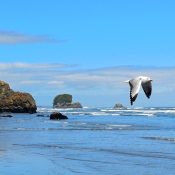
Seabirds are also a constant presence along the coast. Depending on the time of year and conditions, you may see a variety of species moving along the shoreline or resting in sheltered areas.
Further south, near Punakaiki, the coastline continues to offer opportunities for wildlife viewing, particularly where forest meets the sea.
Birdlife in the Bush
Inland areas of Buller are home to a range of native bird species. Walking tracks and forested areas provide the best opportunity to experience this, particularly when you take the time to pause and listen.
Around Reefton, the bush tends to feel more enclosed, and birdlife is often heard before it’s seen. The sound of birds moving through the canopy becomes part of the experience of being in the forest.
Short walks can be just as rewarding as longer ones when it comes to birdlife, especially in areas where the bush is dense and undisturbed.
River and Freshwater Species
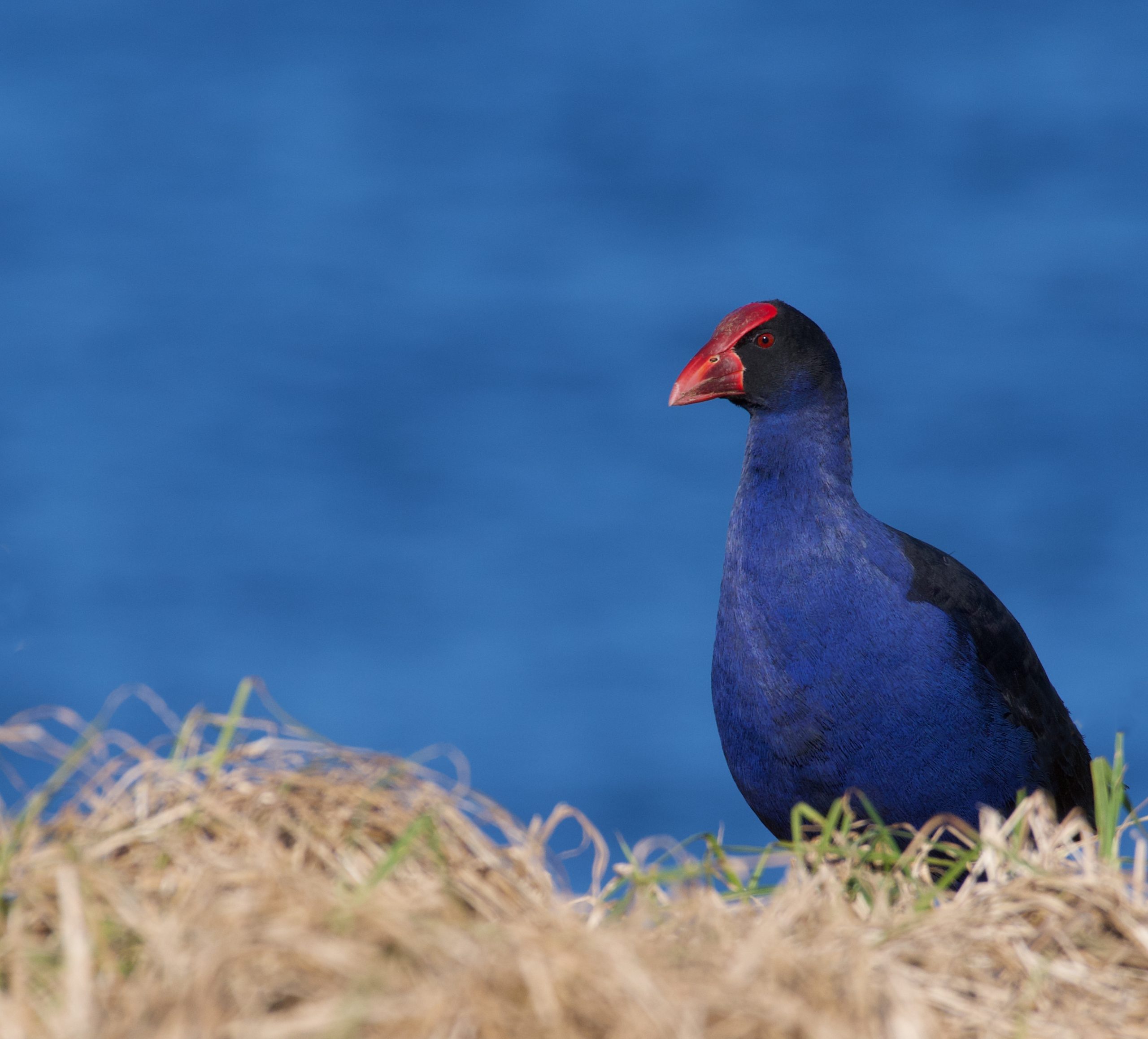
Rivers and waterways across Buller also support wildlife, particularly bird species that rely on freshwater environments. Along quieter sections of rivers, it’s not uncommon to see birds moving along the water’s edge or resting on rocks.
Near Karamea, some areas are known for sightings of species such as blue ducks, which prefer fast-flowing, clean rivers. These encounters are less predictable, but they add another layer to time spent near the water.
Spending time along riverbanks or on short walks that follow waterways increases the chances of these kinds of sightings.
Remote Areas and Natural Behaviour
One of the advantages of Buller is the amount of space and relatively low visitor numbers compared to more developed regions. This allows wildlife to behave more naturally, without being heavily influenced by constant human presence.
In more remote areas, particularly north toward Karamea or inland from Reefton, encounters can feel less structured. You’re more likely to come across wildlife unexpectedly rather than in designated viewing areas.
This makes the experience feel less controlled, but also more rewarding.
Who This Is For
Wildlife in Buller suits visitors who are willing to slow down and pay attention to their surroundings. It’s not about guaranteed sightings, but about being present in the environment.
It works well for:
- Nature-focused travellers
- Families wanting accessible wildlife experiences
- Visitors who enjoy walking or spending time outdoors
Patience and awareness tend to lead to better experiences than rushing between locations.
Local Insight
Wildlife here follows its own patterns. Time of day, weather, and season all play a role in what you might see.
Early mornings and later in the day often offer more activity, particularly for birdlife. Coastal wildlife can also vary depending on tide and sea conditions.
Keeping a bit of distance and observing quietly tends to result in more natural encounters. Wildlife is part of the landscape, not something separate from it.
Practical Information
Wildlife viewing in Buller doesn’t usually require specialised equipment, but a few simple considerations can improve the experience.
Local information centres can provide guidance on recent sightings, accessible locations, and suitable times to visit certain areas. In places like Westport, Punakaiki, Karamea, and Reefton, they are a helpful place to check in before heading out.
It’s important to respect wildlife and maintain a safe distance, particularly around coastal species. Conditions in natural environments can change, so being aware of your surroundings will help ensure both your safety and that of the wildlife.
Nearby Connections
Wildlife experiences in Buller naturally connect with other activities across the region. Coastal areas link with scenic stops and walking tracks, while inland forest walks offer opportunities to experience birdlife alongside the landscape.
Rivers add another layer, particularly in quieter areas where freshwater species can be observed. Whether you’re near Westport, exploring around Punakaiki, heading north toward Karamea, or inland near Reefton, wildlife tends to be part of the experience rather than a separate activity.